
What Is Continuous Authentication?
Continuous Authentication secures the entire session, not just the moment someone logs in. It uses signals such as typing rhythm and mouse movement to build a behavioral profile, then delivers an ongoing identity signal for as long as the session stays open. Twosense's Continuous Authentication and Continuous Access Evaluation (CAE) Platform applies this to shared clinical workstations.
How It Works
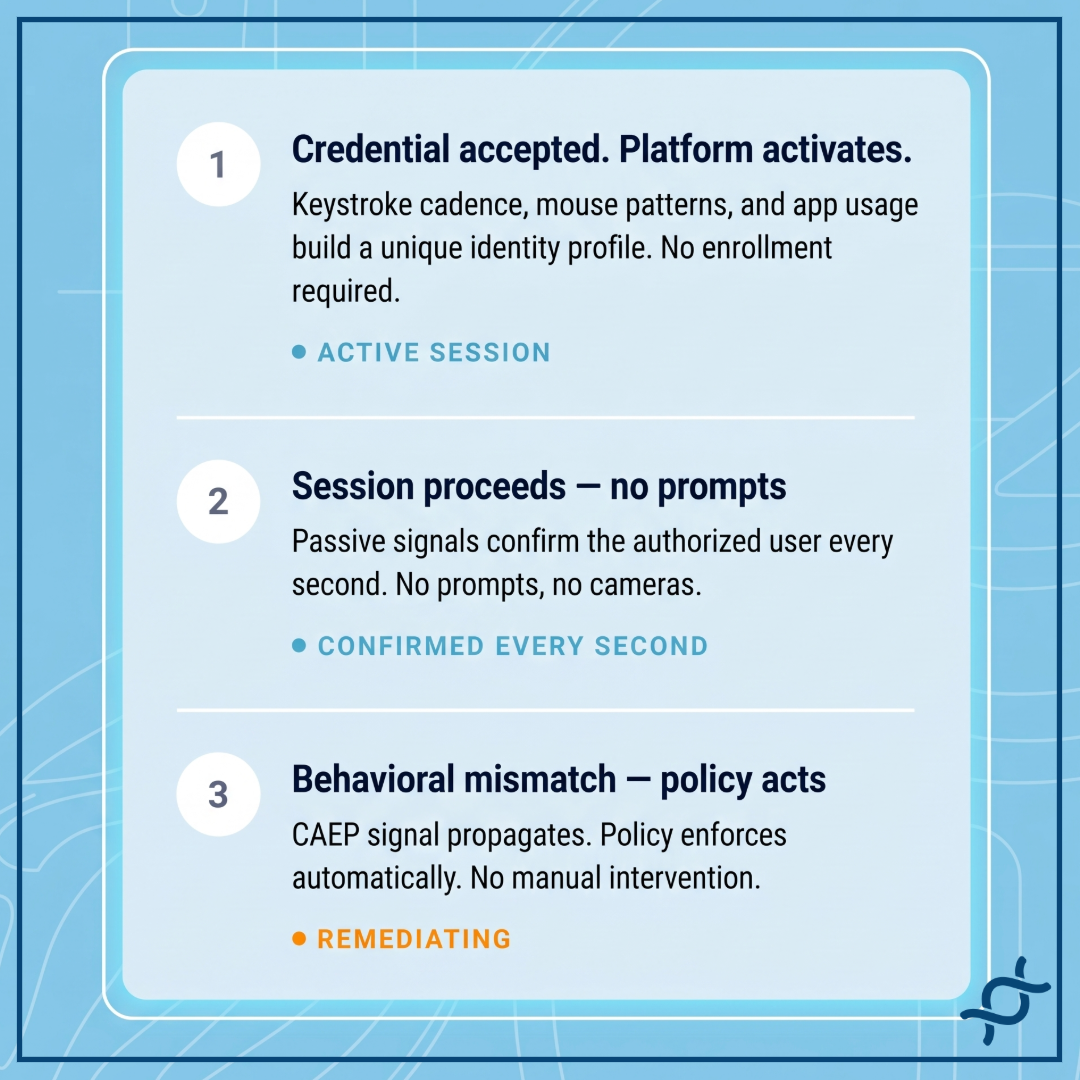
With Continuous Authentication powered by passive behavioral biometrics, signals such as typing rhythm and mouse movement are analyzed to establish a behavioral profile for an individual user. The system then continuously evaluates activity against that profile. If the behavior continues to match the authenticated user, the session remains trusted. If the system detects a behavioral mismatch, meaning the activity no longer matches the authenticated user, an organization can apply its defined security policy: re-authentication, step-up authentication, locking the session, terminating it, or another remediation action.
The important distinction, and the core of its value, is that Continuous Authentication does not simply authenticate the user once. It secures the entire session, delivering an ongoing identity signal that maintains confidence in the user's identity for as long as the session stays open.
How It Secures a Shared Workstation
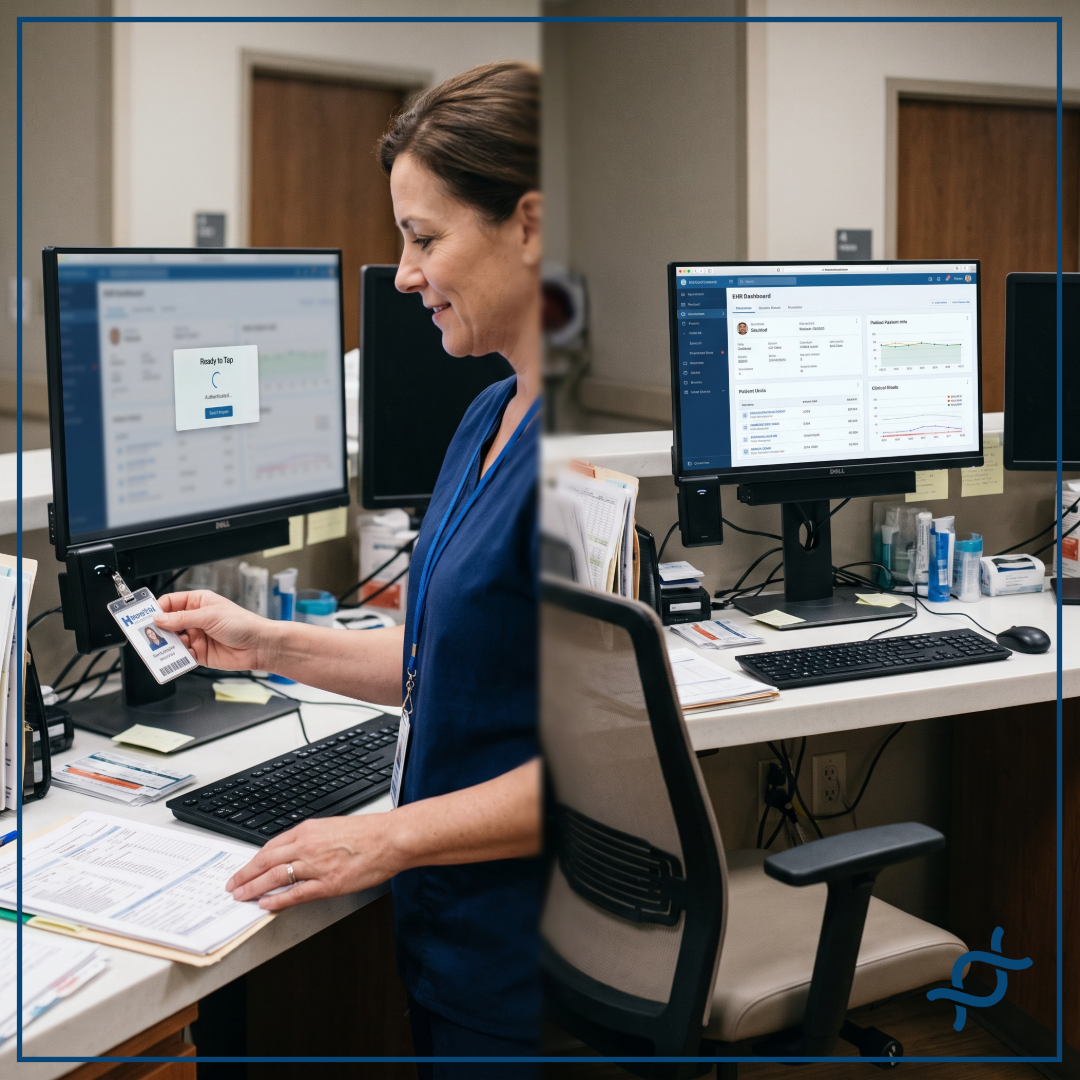
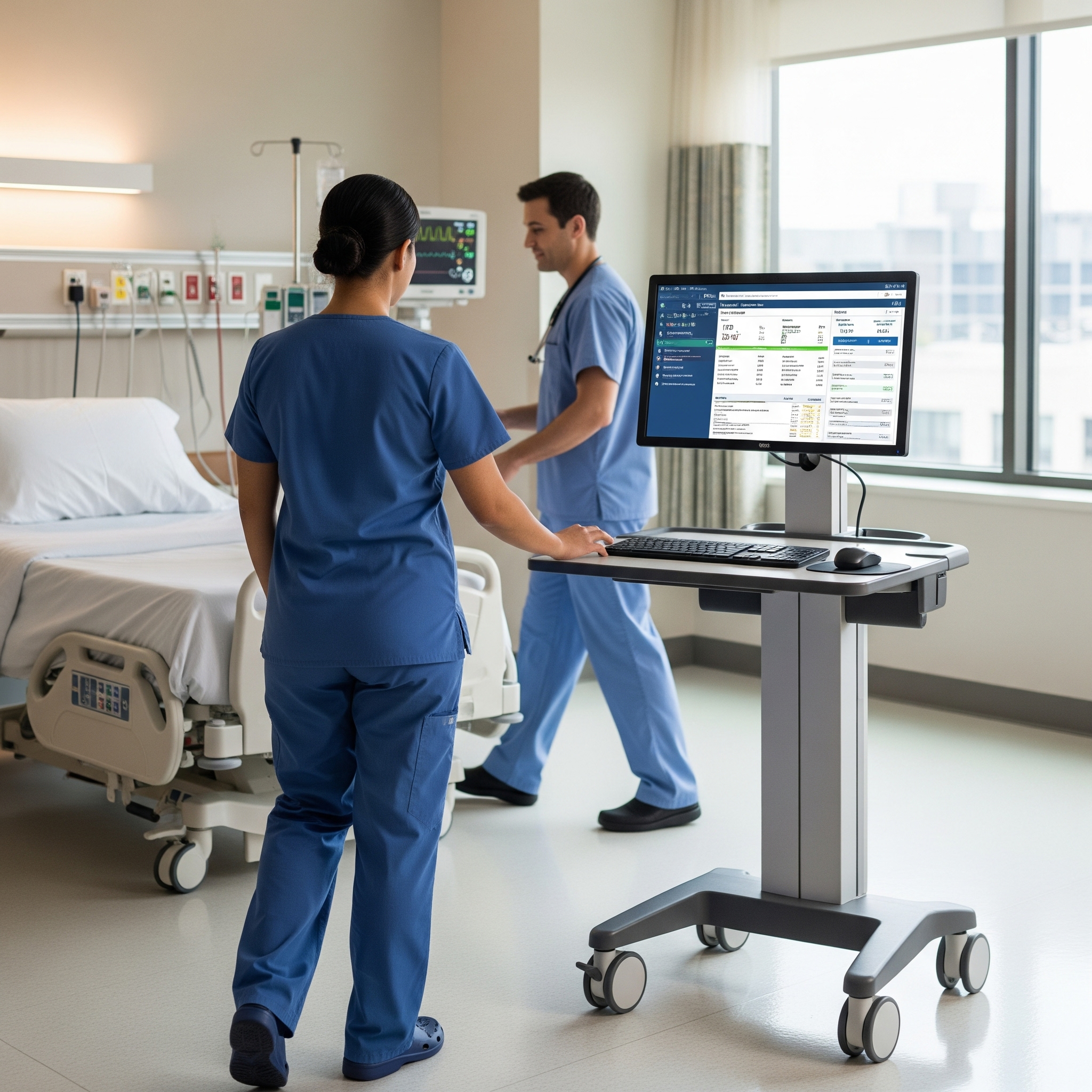
Consider a hospital workstation scenario: a nurse authenticates and begins working. The system establishes confidence that the person using the workstation matches the authenticated identity. The nurse then leaves, and another employee sits down and begins typing. That second person's behavioral activity produces a behavioral mismatch against the established profile of the authenticated user, and when that mismatch is detected, the organization can apply its security policy rather than allowing the session to continue indefinitely under the original user's identity.
This creates a security control between the initial authentication event and the end of the session, which matters because shared workstations create an identity problem that occurs after login, not just at it.
Why It Doesn't Add Friction
Continuous Authentication operates in the background invisibly using signals generated during normal activity. The user does not need to repeatedly enter a password, approve a push notification, present a badge, or interact with a camera to maintain an authenticated state. That makes it particularly relevant to shared workstations, where security and clinical workflow have to operate together rather than compete.
Frequently Asked Questions
What is Continuous Authentication in healthcare?
Continuous Authentication uses ongoing signals, such as behavioral patterns, to verify that the authenticated user remains the person using a device or session. In healthcare, this is particularly useful on shared workstations where users frequently move between devices leaving behind abandoned open sessions.
Does Continuous Authentication replace MFA?
No. MFA and Continuous Authentication address different parts of the authentication lifecycle. MFA strengthens the initial authentication event, while Continuous Authentication provides an ongoing identity signal after authentication.