
Why This Term Keeps Coming Up
Security vendors are spending real money putting "continuous identity" in front of security leaders right now, and the pitch is usually broad: identity, evaluated continuously, adapting access as risk changes. For a hospital CISO trying to figure out where a health system's identity gap actually sits, that breadth can make the term feel like marketing shorthand for "better security" rather than something with a specific meaning. It has a specific meaning, and it's worth pinning down before the rest of this series builds on it.
What Continuous Identity Actually Means
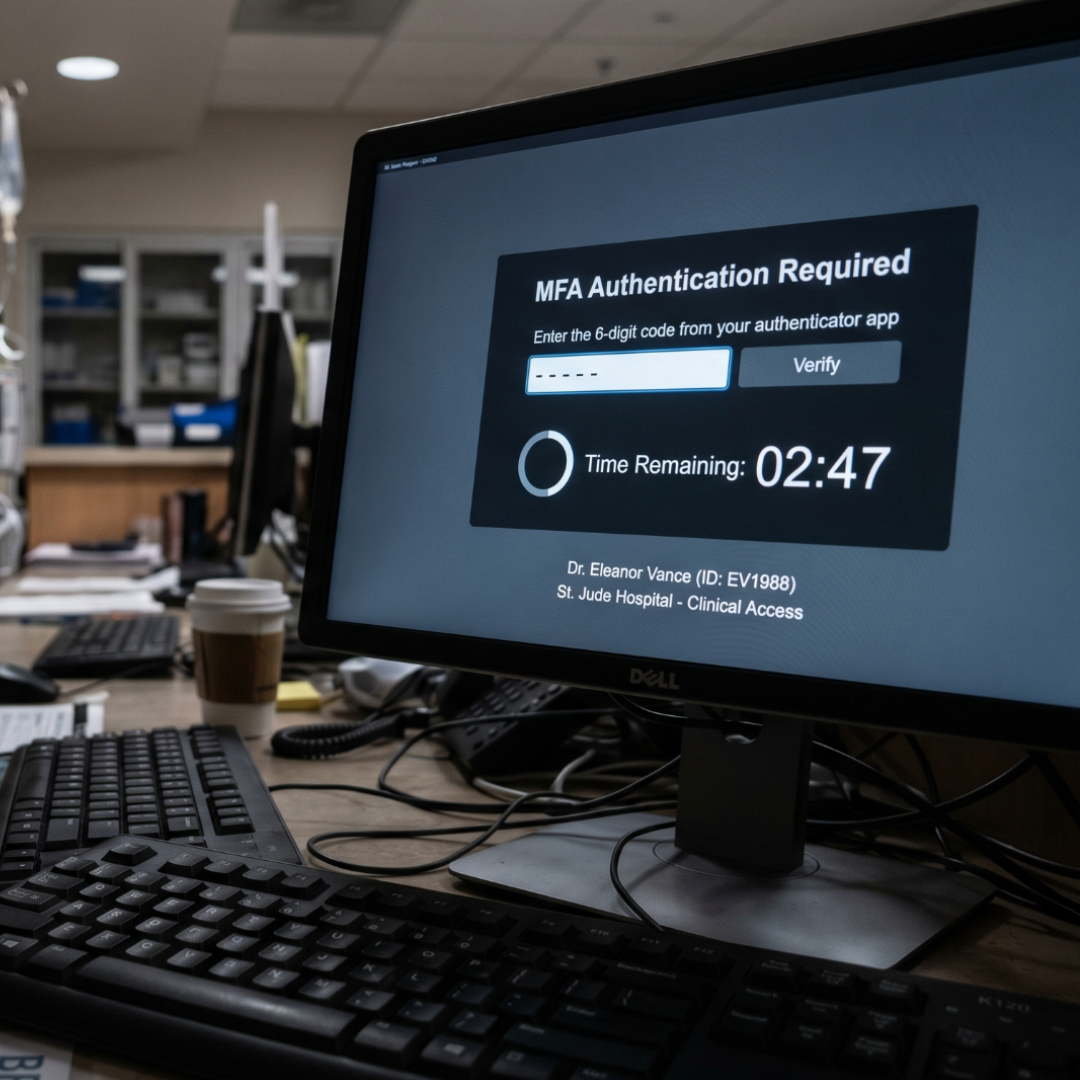
Continuous identity is the idea that trust in a session shouldn't be decided once, at login, and then assumed for as long as the session stays open. It should be evaluated for as long as the session runs, and access should adjust automatically when that trust changes, not at the next login, not at the next audit, while it's happening. That's a meaningfully different model than the one most identity programs run today, where authentication answers a single question at a single moment and everything downstream trusts the answer indefinitely.
Why the Industry Is Moving This Direction
The data explains why. In 2025, 86% of organizations reported an identity-related incident. When security teams were asked what would have prevented it, the most common answer wasn't a stronger login, it was the ability to revoke access when a high-risk event occurred, cited by 43% of respondents. That's a workforce of security leaders saying, in aggregate, that the gap isn't at the door. It's what happens after someone's already inside.
The Three Pieces It Actually Requires
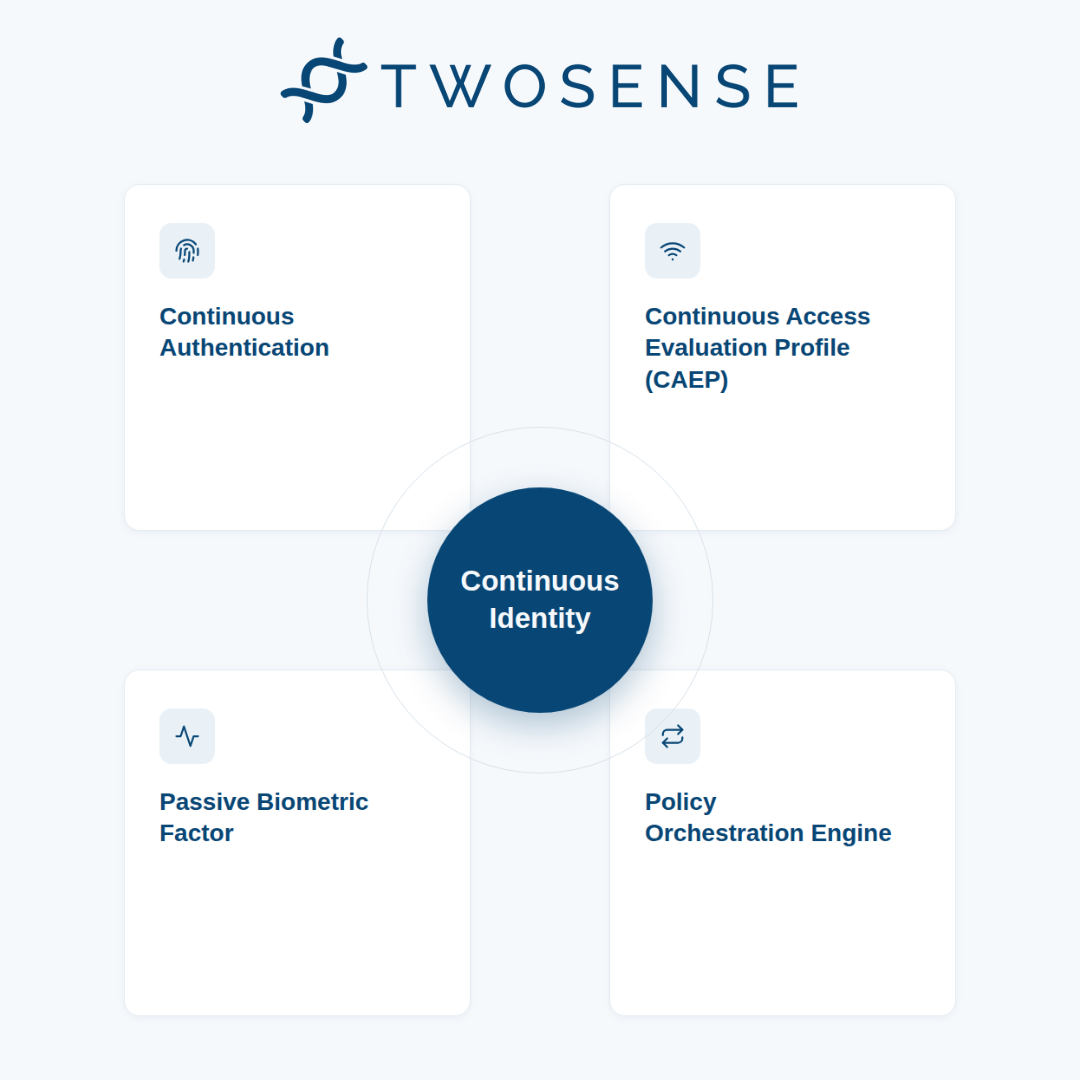
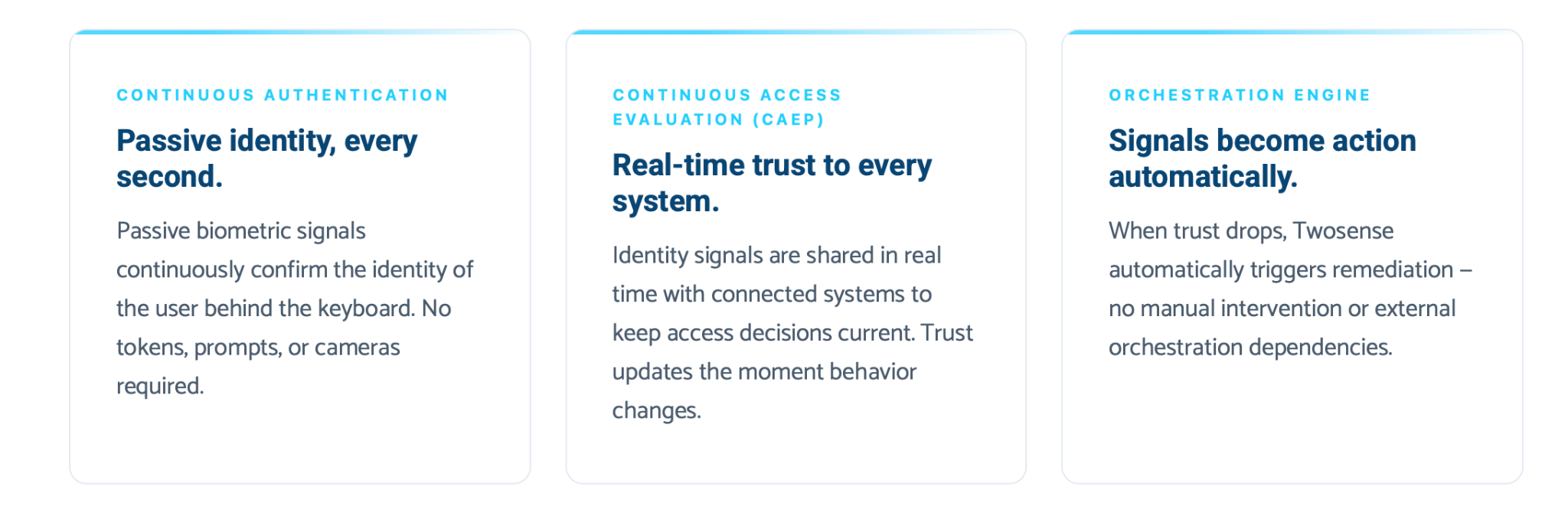
Getting from assumed trust to continuously evaluated trust takes three things working together, not one. Something has to generate a signal about whether the identity behind a session still holds, behavior, device posture, risk context, whatever the organization is watching. Something has to broadcast that signal to the systems capable of acting on it, a standard like CAEP exists for exactly this. And something has to decide what happens when the signal says trust has changed, step up authentication, restrict access, end the session, and that decision stays exactly where it already lives, in the identity provider, the EHR, the workstation session platform the hospital already runs and governs, acting on policy the organization already set. Most conversations about continuous identity focus on the middle and the end, the broadcast and the policy that receives it, because those are the parts that look like conventional enterprise security tooling.
The Piece Health Systems Can't Skip
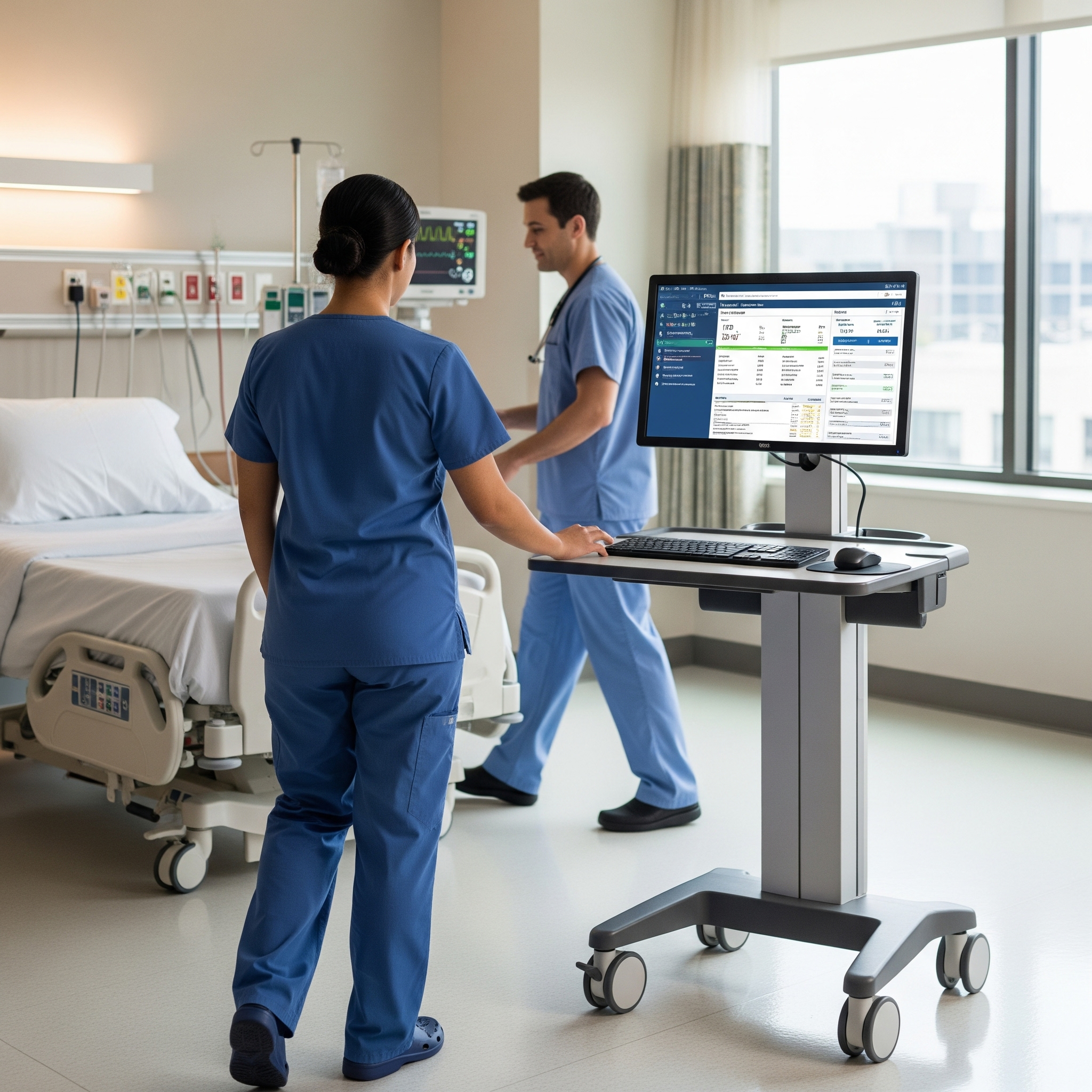
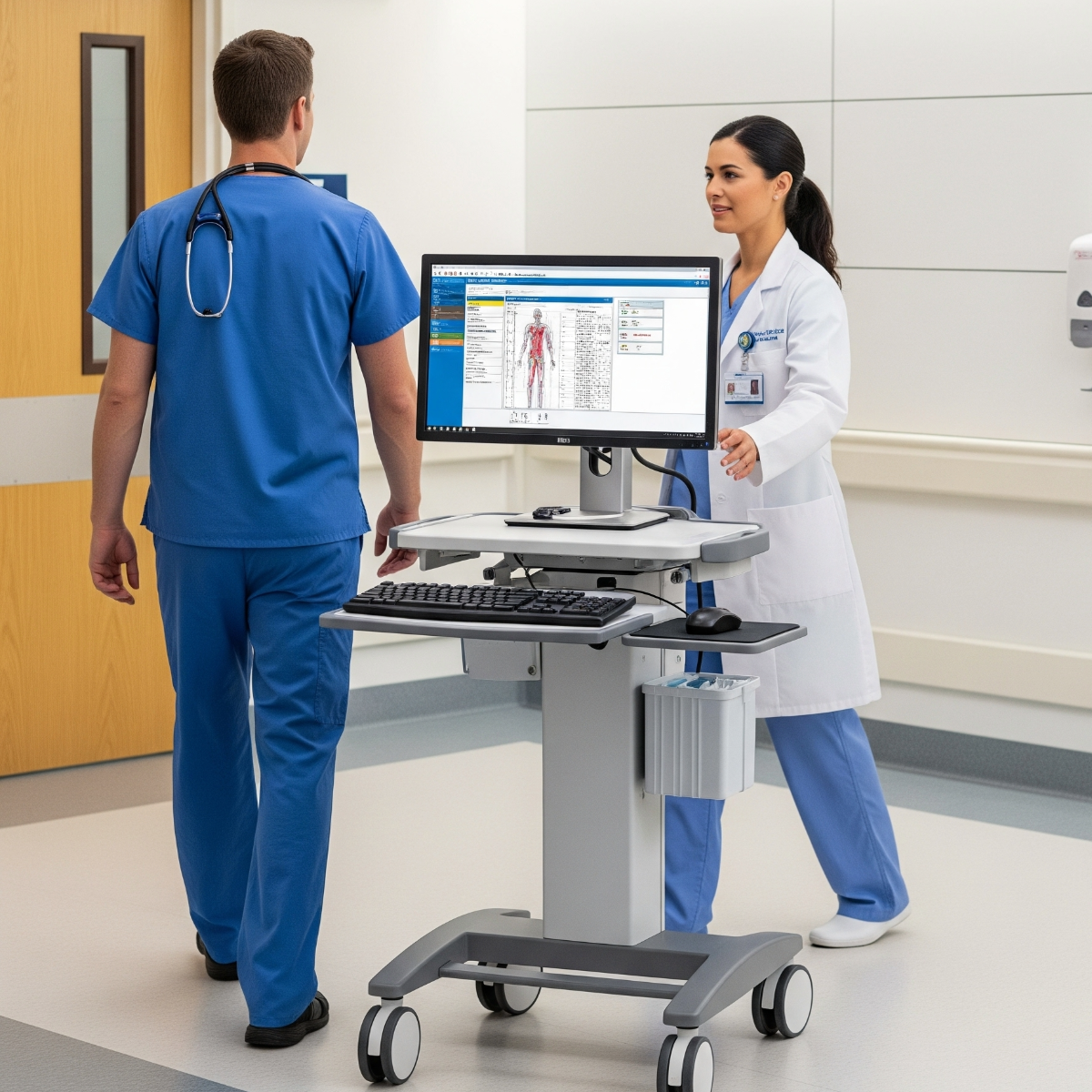
The first piece, the actual signal, is where the health system's version of this problem gets specific, and it's where most continuous identity platforms still fall short. A shared nursing-station terminal, a pharmacy technician rotation, a registration desk that turns over every few hours, none of that shows up as a device change or a network anomaly. It only shows up as a change in who's behind the keyboard, and detecting that requires a signal built for exactly that question, not a signal repurposed from device or network monitoring. That's the specific piece this series is about, and it's the piece most platforms in this space, including the largest ones, still treat as an afterthought.
What This Series Will Cover
The next fifteen posts walk through what that gap looks like in practice across a hospital's shared workstations and full workforce, how it fits into architectures like Zero Trust, how the missing signal, the broadcast, and the policy that receives it actually work together, and what closing the gap is worth to a health system in hours and dollars. It starts with the moment every hospital's identity program already gets right, the login, and what happens the second after.
See how Twosense provides the signal continuous identity architectures are missing: Explore Twosense Continuous Authentication Platform